
Menu
Hablamos Español / Call For A Free Consultation
949-266-0880
If you've ever left a job and waited days—or even weeks—for your final paycheck, you know how frustrating it can be. In California, the law doesn’t just discourage delays—it penalizes employers who fail to pay final wages on time.
These penalties help ensure employees—including those in disputed classifications, such as potential misclassification—receive the wages they earned after separation. Understanding how waiting time penalties work is important, and firms like MJB Law Group often help employees navigate these situations and protect their rights.
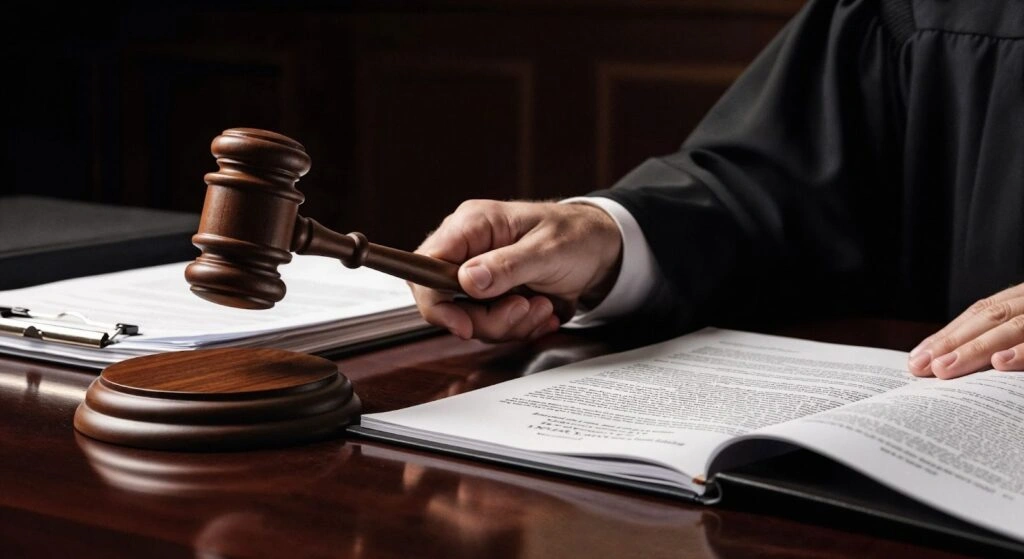
Waiting time penalties are monetary consequences imposed on employers who fail to provide a terminated or resigning employee with their final wages on time. For the waiting time penalty to apply, certain legal conditions must be met, including the existence of an employer-employee relationship, the timing of wage payments, and the absence of a good-faith dispute regarding the wages owed.
Under California Labor Code Section 203, if an employer willfully fails to pay all earned wages at the time of termination or resignation and these conditions are satisfied, the waiting time penalty applies. The law is triggered by specific failures to pay final wages on time.
Labor Code Section 203 is the cornerstone of California’s waiting time penalty rules. It requires employers to pay all final wages—including accrued vacation—immediately when an employee is terminated and on the last day of work if the employee resigns with at least 72 hours’ notice.
If an employee quits without notice, the employer has 72 hours to provide the final paycheck. These rules apply to most workers, including salaried employees, though some collective bargaining agreements may set different wage payment terms.
If an employer intentionally fails to provide final wages on time, they may be responsible for waiting time penalties equal to one day of the employee’s wages for each day the payment is delayed, up to a maximum of 30 days.
Penalties typically apply when:
The keyword is “willful.” If the delay is intentional, or the employer knows they owe payment but withholds it anyway, that's a violation.
Employers must ensure the employee receives all earned wages, including:
California law sets strict timelines for when employees must receive their final paycheck after leaving a job.
Understanding these timelines can help employees recognize when their rights may have been violated and when waiting time penalties may apply.
The penalty is equal to one day's wages at the employee's daily rate. This daily rate is typically calculated by multiplying the employee’s regular hourly wage by the number of hours they normally work in a day.
The employer owes one full day's wages for each day the payment is late—up to a maximum of 30 calendar days. The penalty continues to accrue each day until the final wages are paid or until the 30-day limit is reached.
A willful failure occurs when the employer intentionally doesn't pay, despite knowing the law requires them to. This means the employer is aware that wages are due but still fails to provide them on time.
While honest mistakes might seem forgivable, they can still result in penalties if they arise from employer negligence. Courts generally expect employers to understand and follow wage payment laws.
California courts have ruled that even passive inaction—such as not calculating vacation time—can be deemed willful. In other words, simply failing to take the necessary steps to issue final pay may still trigger waiting time penalties.
Employers can face waiting time penalties when they fail to provide final wages on time, even if the delay seems minor or unintentional.
If an employer processes a direct deposit late or after the employee is terminated, they could be liable. Final wages must be available to the employee by the legal deadline, regardless of the payment method used.
Employers may not withhold pay because an employee hasn't returned equipment. They must still meet the final pay deadline and pursue other lawful methods to recover company property.
Mailing the check late or failing to ensure delivery by the deadline can trigger penalties. Employers must take reasonable steps to make sure the payment reaches the employee within the required timeframe.
Knowing these common situations can help employees identify potential violations and understand when waiting time penalties may apply.
California’s waiting time penalty law applies broadly to employees whose final wages are not paid on time after their employment ends. Eligibility is not limited by job title, pay structure, or the number of hours worked. If a worker is legally classified as an employee, they may be entitled to waiting time penalties when an employer fails to meet the required final pay deadlines.
If a worker is legally classified as an employee, they may be entitled to waiting time penalties when an employer fails to meet the required final pay deadlines.
While California’s waiting time penalty law provides strong protections for employees, it does not apply in every situation involving unpaid or delayed wages. Certain workers and circumstances fall outside the scope of Labor Code Section 203.
Understanding these limitations can help workers determine whether waiting time penalties may apply to their specific situation.
You can file a claim through the California Division of Labor Standards Enforcement (DLSE) or take the matter to court. This process allows employees to seek payment of unpaid final wages as well as any waiting time penalties that may be owed.
Prepare:
You have up to three years to file a claim for waiting time penalties. This deadline typically begins on the date your final wages should have been paid but were not. Filing within this timeframe is important to preserve your right to recover penalties under California law.
Employers facing waiting time penalty claims may raise certain legal defenses to avoid liability. One common defense is a lack of willfulness, meaning the employer can show the delay in payment was not intentional or was the result of a genuine mistake.
Employers may also argue that there was a good-faith dispute over the amount of wages owed, which can sometimes prevent penalties from being imposed. Additionally, if the employer offered the correct final payment but the employee refused it or failed to collect it, waiting time penalties may not apply.
Let’s say an employee earns $200 a day. A 30-day penalty equals $6,000. Multiply that across multiple employees?
These penalties accrue daily, up to a maximum of 30 days of the employee’s regular daily wages.
Employers may face legal fees, court costs, and reputational damage. In some cases, violations can also lead to increased scrutiny from regulators or additional wage and hour claims.
Employees can choose between DLSE wage claims or filing a lawsuit. Each option has pros and cons depending on the complexity of the case and the remedies being sought.
Because of these potential penalties, employers have strong incentives to ensure final wages are paid accurately and on time.
The California Labor Commissioner, through the Division of Labor Standards Enforcement (DLSE), handles wage claims related to unpaid final wages and waiting time penalties. Employees can file a wage claim by completing the appropriate form on the DLSE’s website and submitting supporting documentation such as pay records or employment information.
After a claim is filed, the DLSE typically notifies the employer, reviews evidence from both sides, and may schedule a conference or formal hearing to determine the outcome.
Employers can significantly reduce the risk of waiting time penalties by implementing clear procedures for handling final pay when an employee leaves the company. Careful planning, proper training, and consistent documentation can help ensure compliance with California wage laws.
Employers should prepare final paychecks in advance whenever possible—especially for planned terminations. Having payroll processes in place ensures that all earned wages, including accrued vacation, are calculated and ready at the time employment ends.
HR staff should be thoroughly familiar with California Labor Code Section 203 and related wage payment requirements. Regular training helps ensure that those responsible for offboarding employees understand the strict deadlines and how to comply with them.
Employers should document termination procedures and final paycheck protocols in clear written policies. Consistent documentation and communication can help prevent mistakes and demonstrate compliance if a dispute later arises.
Employees can take several proactive steps to protect their rights and strengthen potential claims if final wages are delayed. Keeping clear records and communicating with employers in writing can make it easier to prove that wages were owed and not paid on time.
Taking these steps can help support your claim if waiting time penalties become necessary.
Waiting time penalties can have a significant financial impact on small businesses, particularly when multiple employees are affected. Penalties may accumulate quickly during layoffs, terminations, or business closures, making compliance with final pay rules especially important. To reduce risk and ensure compliance with California wage laws, small businesses often benefit from consulting experienced employment attorneys, such as those at MJB Law Group.
If multiple employees were affected, a class action lawsuit may be filed. This often occurs when the same payroll practice or policy caused delayed final wages for a group of workers.
One penalty per employee quickly adds up—especially if the same mistake was repeated. As the number of affected employees grows, the total liability can become significant.
Employers may settle rather than face costly court judgments. Settlements can include payment of penalties, wages, and sometimes attorneys’ fees.
These cases highlight how widespread payroll errors can create serious legal and financial risks.
Some collective bargaining agreements may include provisions that address wage payment timing or procedures. However, these agreements generally cannot waive or eliminate core protections provided under California labor laws.
Regardless of union rules or negotiated workplace policies, employers must still comply with applicable state wage laws. This means final wages must be paid within the required legal deadlines.
Unions may help represent employees and attempt to resolve disputes through grievance procedures. However, workers can still pursue claims through the Division of Labor Standards Enforcement (DLSE) or other legal avenues if necessary.
Understanding how union agreements interact with state law can help both employers and employees navigate these situations more effectively.
Mass layoffs require careful planning to ensure compliance with both federal and state employment laws. Employers must follow the requirements of the WARN Act while also meeting California’s strict rules for timely final wage payments.
Even during large layoffs, each employee must receive their final paycheck as if they were terminated individually. Failing to properly plan and process these payments can expose employers to significant waiting time penalties and other liabilities.
Worker classification plays a major role in determining whether waiting-time penalties apply. When workers are incorrectly labeled as independent contractors instead of employees, they may still have the right to recover unpaid wages and associated penalties once the misclassification is discovered.
If someone is misclassified as an independent contractor but legally qualifies as an employee, they may still be entitled to unpaid wages and waiting time penalties. Courts and labor agencies will examine the nature of the working relationship rather than simply relying on the title used by the employer.
When misclassification is corrected after the fact, employers may face liability for backpay as well as waiting time penalties for unpaid final wages. These combined financial obligations can become substantial, particularly if the worker was misclassified for a long period.
California’s AB 5 law strengthened worker classification rules and made it more difficult for companies to justify labeling workers as independent contractors. As a result, misclassification claims—and the penalties that can follow—have become a more significant risk for employers who fail to comply with the law.

Addressing final pay issues quickly and professionally can help prevent minor disputes from turning into costly legal problems.
Early resolution is often the best path for both sides.
MJB Law Group is a premier boutique litigation firm in California specializing in employment and personal injury law. We've built our reputation on fighting for individuals—not corporations. If you're dealing with a wage dispute or think you're owed waiting time penalties, we can help.
Our office is located at 1442 Irvine Blvd, Suite 201, Tustin, CA 92780, and is open Monday through Friday from 8:30 AM to 5:30 PM (closed weekends).
With a client-first approach and a dedicated legal team, MJB Law Group works to level the playing field and protect workers’ rights.
Contact us today to discuss your case.
Waiting time penalties in California aren't just a bureaucratic nuisance—they're a vital protection for working people. Whether you're an employer trying to stay compliant or an employee who's been left waiting, knowledge is your first line of defense.
And when in doubt? Don't wait.
Get the legal guidance you deserve at MJB Law Group and claim what's rightfully yours.